A Frozen Lock Can Become a Bigger Problem Quickly
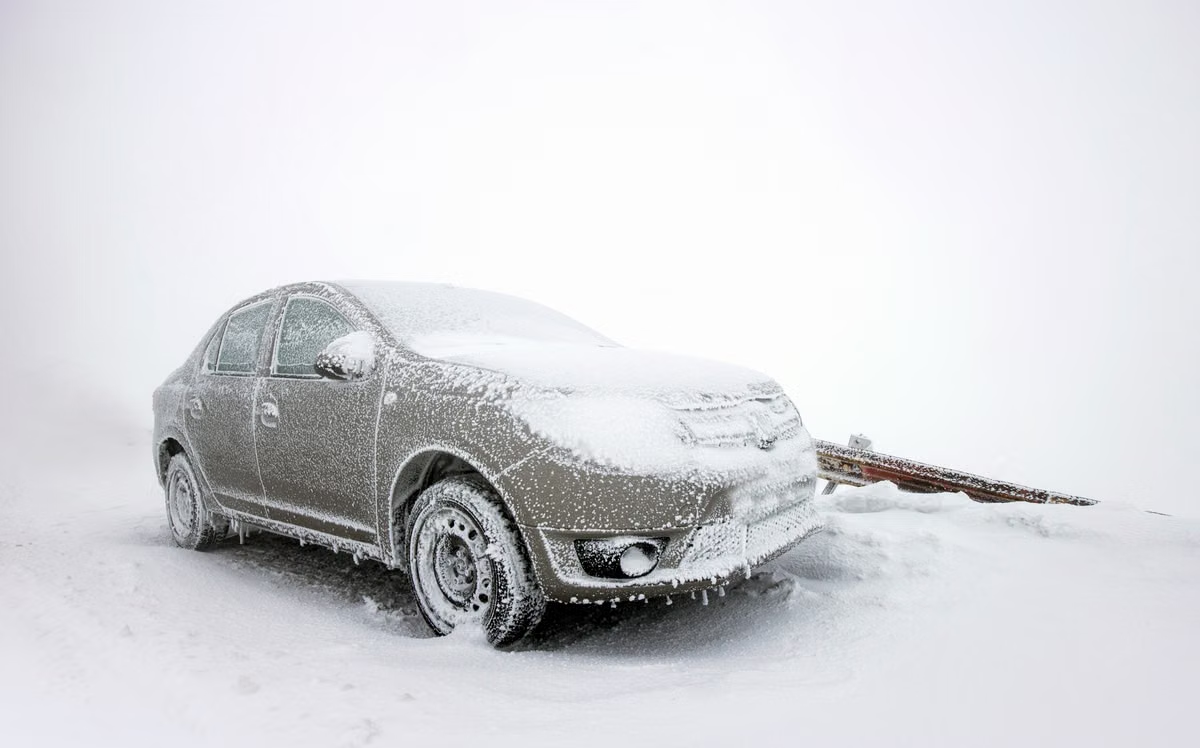
A frozen car lock is a familiar Rochester, Minnesota winter problem. You arrive at your vehicle in a Downtown Rochester parking ramp, a Silver Lake driveway, or a lot near Chester Woods, insert the key or press the remote, and nothing happens. Ice and moisture have found their way into the lock cylinder, door seal, or latch mechanism.
The most important thing is to avoid turning a minor freeze into a broken key, damaged weather stripping, or an expensive door repair. At Rochester Lockout Service, our techs have spent more than 30 years helping local drivers with automotive lock and key emergencies. Our team knows that the fastest solution is not always the most forceful one.
This guide explains what not to do, what you can safely try, and when it makes sense to call Rochester’s Automotive Locksmith. We are happy to provide our license number, insurance information, and current customer ratings to customers who want to verify our business before requesting service.
Why Rochester Winters Freeze More Than the Lock Cylinder
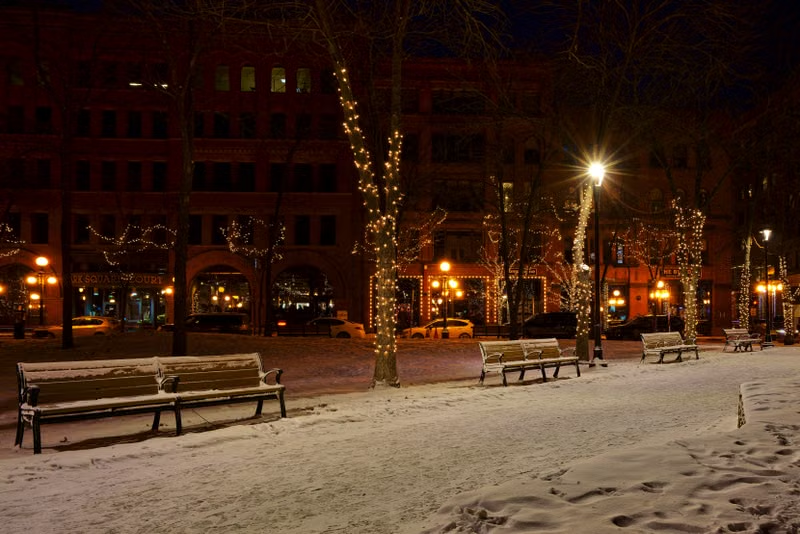
A car lock may freeze because water entered the keyway and then turned to ice overnight. The same thing can happen when melting snow runs down the door, when a vehicle is washed before a temperature drop, or when condensation collects inside an older lock cylinder.
The problem may also be the door itself rather than the keyhole. Ice can bond the rubber weather seal to the frame or freeze the latch in place. Pulling harder on the handle will not release that ice and can damage the handle, cable, or seal.
Before forcing anything, identify whether the key will not enter, the key will not turn, the remote will not unlock the vehicle, or the door is frozen shut around its perimeter. Each symptom calls for a different response.
What Not to Do to a Frozen Car Lock in Rochester, Minnesota
When you are late for work or standing outside in subzero temperatures, it is natural to try whatever seems quickest. These common methods can cause more trouble:
- Do not force the key. A key can snap inside a frozen cylinder, especially if it is worn, bent, or already weakened. Removing a broken key from the lock takes more time than thawing the mechanism properly.
- Do not pour boiling water on the lock or door. Hot water can damage paint, affect rubber seals, and refreeze almost immediately when it contacts cold metal. That can leave you with a thicker layer of ice the next time you try the door.
- Do not use an open flame. Lighters, matches, and improvised torches can damage paint, melt plastic components, ignite flammable materials, or injure you. A vehicle contains fuel, wiring, insulation, and other materials that should never be exposed to a flame.
- Do not pry the door open. Screwdrivers, knives, and other tools can bend the door frame, tear the weather stripping, scratch the paint, and damage the lock. A small gap may also allow cold air and moisture into the cabin without actually releasing the latch.
- Do not yank repeatedly on the handle. If the door seal or latch is frozen, repeated force can break an exterior handle or its connecting cable. This is especially frustrating because you may still need a locksmith after causing a second problem.
- Do not spray random household products into the keyway. Cooking oil, motor oil, and some general-purpose lubricants can collect dirt and gum up the cylinder. Products that are not designed for locks may also damage internal components.
- Do not keep pressing the remote if the battery is weak. Repeated button presses will not thaw a mechanical lock and may drain the fob battery further. If the vehicle has a hidden mechanical key, locate it in the owner’s manual or fob instructions instead of forcing the remote housing.
Safe First Steps Before Calling a Locksmith
If the temperature is manageable and you can work safely, try a gentle approach. First, check another entry point, such as the passenger door, rear hatch, or trunk. Do not assume every door is frozen in exactly the same way.
Next, brush loose snow away from the handle, keyhole, and door seams. Use a commercial lock de-icer or a product specifically labeled for automotive locks. Apply it sparingly, wait a short time, and insert the key gently without twisting hard. A small amount of lock lubricant used according to its directions can help prevent future freezing, but it should not be used as a substitute for careful thawing.
If the door seam is iced over, warm the area gradually. A vehicle-safe heated source or a warm cloth may help, but keep heat moving and avoid overheating paint, glass, trim, or plastic. Never leave a hair dryer unattended near snow, standing water, or an outdoor electrical outlet.
If you are parked in traffic, in a dark lot, or in dangerously cold weather, move to a safe location and call for help rather than spending twenty minutes pulling on the door. Your safety matters more than getting the lock open without assistance.
When a Frozen Lock Needs Professional Help
Call an automotive locksmith when the key is stuck, the key has broken, the cylinder will not turn after proper de-icing, or the vehicle is locked with keys, a child, or a pet inside. You should also call if the handle feels loose, the latch no longer engages, or you suspect the lock was damaged during an earlier attempt.
In our 12 years of experience, we have found that customers often wait too long after the first failed attempt. A frozen lock may conceal a separate issue, such as a worn cylinder, damaged key, failing actuator, or frozen latch cable. We inspect the situation before choosing an entry method and use automotive lockout tools intended to reduce the risk of damage.
Our car lockout service covers drivers throughout Rochester and nearby communities, including Downtown Rochester, Folwell, Morningside, Cascade, Silver Lake, and Chester Woods. When you call, tell us the vehicle’s year, make, model, exact location, and whether the key is inside, broken, or simply unable to turn. Those details help us bring the right equipment and estimate the job more accurately.
Preventing Frozen Car Locks During a Rochester Winter
A few small habits can reduce the chance of being locked out during the next cold snap:
- Keep a spare key available. Store a spare in a secure, accessible place—not loose in the vehicle. If your car uses a smart key, understand how to access its emergency mechanical key.
- Replace worn keys early. A bent or heavily worn key is more likely to stick or break. Have a replacement made before winter if the cuts are visibly worn.
- Use a vehicle-specific lock lubricant. Apply it before severe weather and follow the product directions. Avoid overfilling the keyway.
- Dry the lock after washing the car. Open and close the doors, wipe around the handles and seals, and remove visible moisture before parking outside overnight.
- Clear snow before it melts and refreezes. Snow packed around a door seam can become a hard ice bond when temperatures fall.
- Keep the key fob battery fresh. A functioning remote can make entry easier, but remember that a remote cannot fix a frozen physical latch or cylinder.
Our services page explains the automotive assistance we provide, and our team can also recommend practical steps based on your vehicle’s lock design. We regularly help customers in Morningside and Chester Woods, where overnight parking and exposed winter conditions can make frozen doors particularly inconvenient.
Local Help for Frozen Car Locks in Rochester
Winter lock problems do not happen only at home. We receive calls from drivers outside businesses in Downtown Rochester, commuters in Folwell, residents near Cascade, and visitors whose vehicles are parked around Silver Lake or Chester Woods. A precise location helps us find you faster, especially when snow has covered lot entrances or street signs.
Our goal is straightforward: get you back into your vehicle without creating unnecessary damage. We explain the available options, work carefully around the lock and door frame, and let you know when a frozen mechanism appears to need repair rather than simple entry. If you need assistance, contact Rochester Lockout Service and tell us what happened before attempting another forceful method.
A Careful Thaw Is Safer Than a Forceful Entry
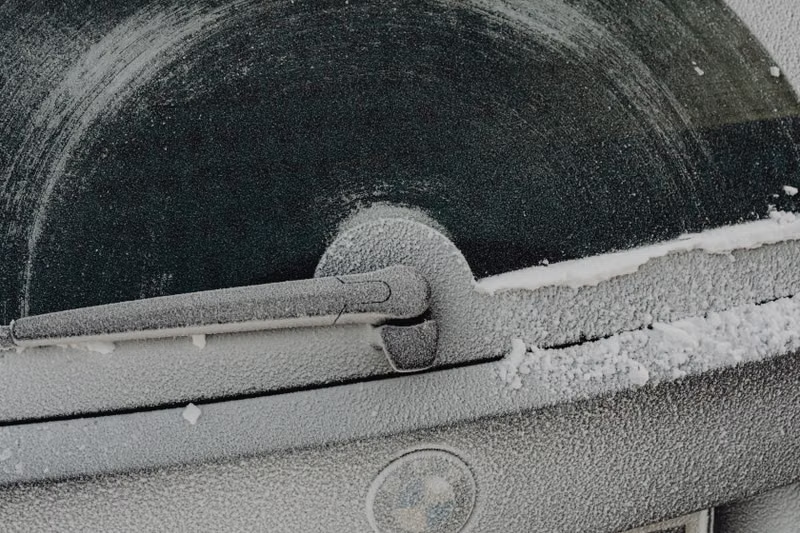
The right response to a frozen car lock is controlled, gradual, and vehicle-specific. Do not trade a few minutes of inconvenience for a broken key, damaged seal, bent door frame, or failed latch.
If de-icer and gentle warming do not work, stop experimenting. Rochester Lockout Service has more than 12 years of local automotive locksmith experience, and we can assess the lockout in the conditions where it occurred—whether that is a residential driveway, a downtown parking area, or a roadside location.
Frequently Asked Questions
Can I use hot water to thaw my frozen car lock?
We do not recommend boiling or very hot water because it can damage seals and refreeze inside the lock or around the door. Use an automotive lock de-icer and gentle warming instead, or call Rochester Lockout Service if the mechanism remains frozen.
What should I do if my key breaks in the frozen lock?
Stop turning the key and do not push the broken piece farther into the cylinder. Call our automotive locksmith team in Rochester, Minnesota; extracting the key carefully may prevent damage to the cylinder and avoid a larger repair.
Can you help if the door is frozen shut but the key works?
Yes. A working key does not rule out ice around the weather seal or latch. We can inspect the entry point and work to release the door without prying against the frame or tearing the seal.
How much does help with a frozen car lock cost in Rochester?
The price depends on the vehicle, location, time, and whether the issue is simple entry, broken-key extraction, or a damaged lock. We discuss the situation and expected cost before beginning whenever the circumstances allow.
Do you provide frozen lockout service outside Downtown Rochester?
Yes. Rochester Lockout Service serves Downtown Rochester, Silver Lake, Cascade, Folwell, Chester Woods, Morningside, and surrounding Rochester-area locations. Give us the exact address or landmark so our technician can locate you efficiently.